Why people and processes are key to realizing the full potential of simulation-driven development in MedTech
February 24 2026
Building simulation-driven risk mitigation in MedTech takes more than tools.
Medical device development has traditionally relied on physical testing for risk mitigation. However, testing can typically happen only after design, tooling, and a production setup exist. At this stage, any change needed can significantly impact time, resources, and budget.
Adopting simulation early in product development enables rapid evaluation of design changes and helps determine optimal settings for production processes.
But not all simulation practices are created equal.
The basics
|
|
Simulation is the imitation, visualization, and analysis of how a product or system behaves over time, using models of real-world processes as a risk-mitigation tool to assess whether key risks are addressed and whether remaining risks require changes to the product or process. Here, a model represents the system’s key characteristics or behaviors, and validation ensures the model’s behavior matches the real system. |
|
When current knowledge or simple calculations cannot reliably reveal potential issues, or determine whether a design will meet requirements, simulation can support risk mitigation by assessing performance and refining products and processes before a physical product is built or put into production.
The diagram below shows how simulation-driven development benefits the product development cycle by shifting the capability to evaluate changes to earlier stages, before major investment is made.
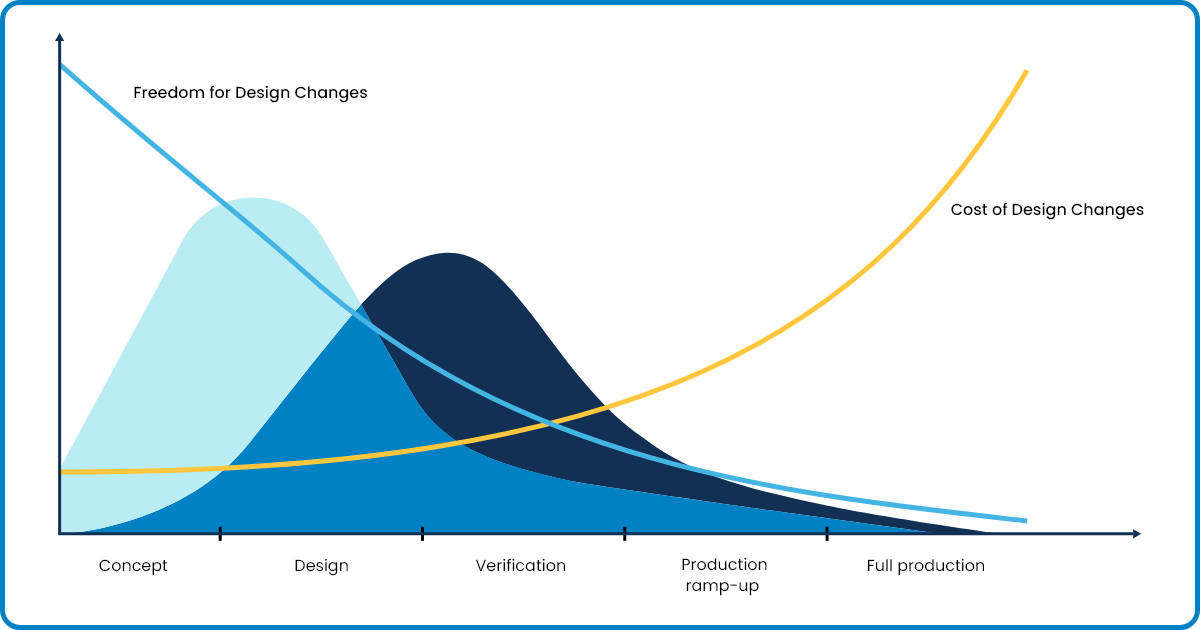
Figure 1: Simulation-driven development benefits the product development cycle.
At SHL Medical, simulation is a structured risk-mitigation method. Projects are evaluated to identify where simulation can reduce uncertainty early, and where it can meaningfully de-risk design and process decisions before costly changes are required.
More than running simulations
Simulation engineers are often placed in design departments. Although straightforward, this approach can limit knowledge sharing and standardization as different models are built across different projects.
|
|
Simulation at SHL Medical began with injection molding simulations in 2005. By the time the US FDA issued its draft guidance for using simulation in medical submissions in 2021, SHL Medical had already developed a companywide simulation strategy, KPIs, and maturity level system, and assisted in reviewing the draft. The company has also invested in dedicated hardware and software tools, as well as in material characterization labs.
|
|
SHL Medical views simulation as most-effective when embedded across the organization. When we established our Global Simulation Department in 2021, we committed significant resources to developing models, standards, and training materials.
“Even with the best model in the world, if you don’t have alignment in these areas, it won’t be useful,” says SHL Medical’s Head of Simulation, Giovanni Di Muoio. “Simulation adoption should be considered a yearslong, business-wide transformation.”
Today, SHL Medical’s cross-functional approach is backed by a considerable number of internal guidelines. Di Muoio credits much of the company’s simulation success to multiple roles and departments working together to ensure tools are developed, understood, and used appropriately.
Breadth and depth
When it comes to the actual simulations, two factors distinguish stronger programs.
The first is scope, and SHL Medical is notable in that simulation supports every stage of the product development value chain (Figure 2). This enables earlier insights and reduces the likelihood of late-stage tool or process changes.
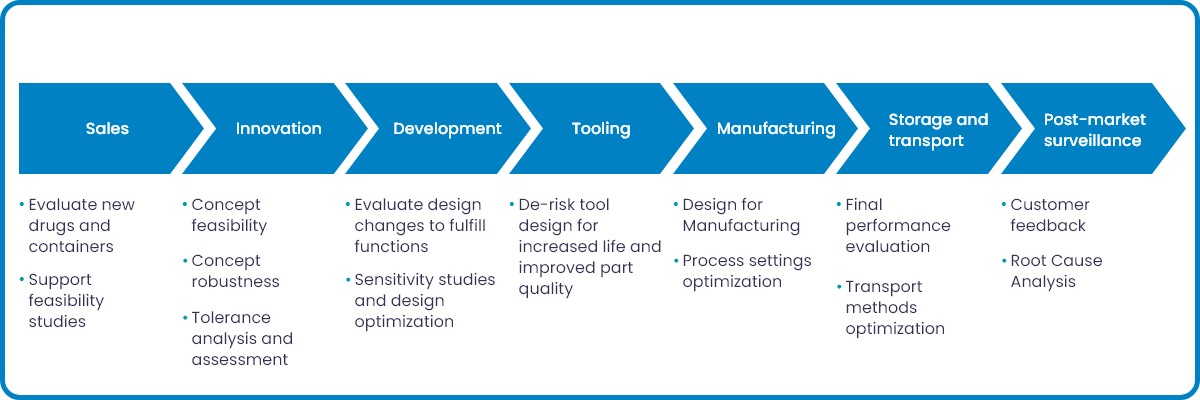
Figure 2: Value chain stages where SHL Medical applies simulation as part of its risk-mitigation strategy.
Supporting simulation even in sales and innovation matters. When a customer asks whether a device will work with a given drug and syringe, getting reliable answers up front can mean 40 hours of analysis now, instead of discovering a major design issue later that could take months to resolve.
Even before ultra-high-fidelity models exist, simulation can screen concepts, for example, to evaluate robustness and impact of tolerances, so prototyping and more refined simulations can focus on the best candidates.
SHL Medical’s vertical integration supports this too, enabling simulation-driven changes to be evaluated and implemented directly, rather than slowed by handovers.
The second differentiator is how extensively simulation is applied. In a 100-item risk assessment, should it cover 5, 15, or 50 items?
In our part review workflow, the responsible department now mandates that filing simulation be conducted for every new part. However, 100% coverage is not necessary everywhere; the goal is to strike the right balance between added up-front effort and fewer downstream test cycles, iterations, and errors.
Building the confidence to make decisions based on these simulations is another matter.
 |
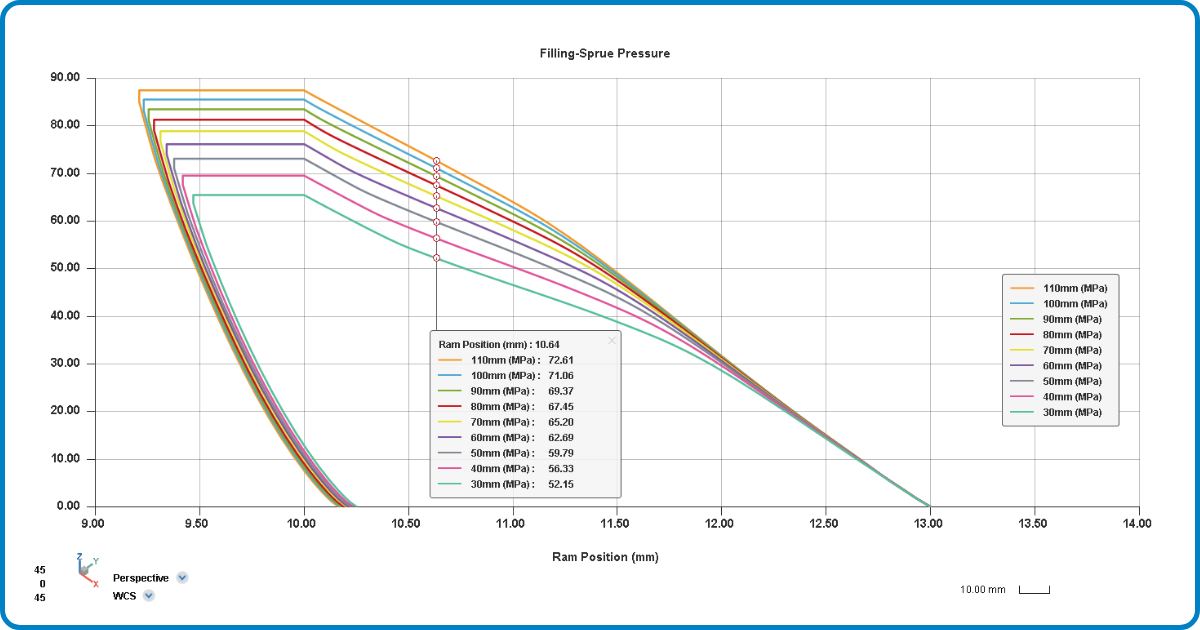 |
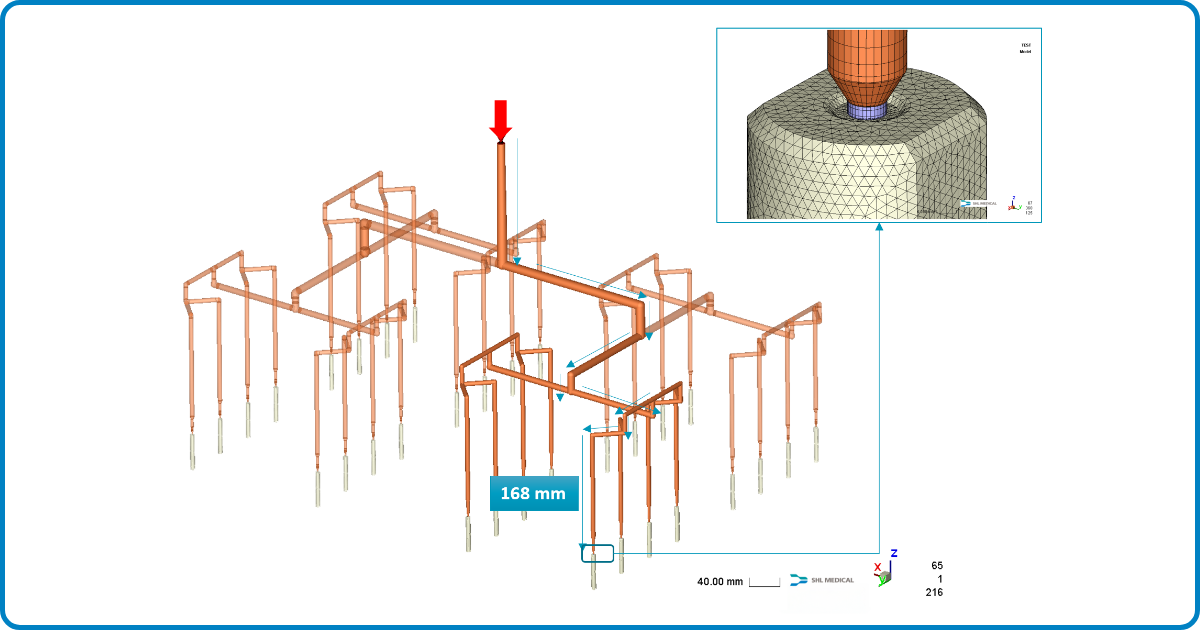
Figure 3: Simulation is used to optimize filling design and manufacturing process settings by assessing multiple options, which in turn reduces the need for in-line tests.
Validation is king
Beyond those already mentioned, other opportunities to gain competitive edges exist. In modeling software, for example, vendor partnerships can be leveraged to request customized code, while in-house tools can fill workflow gaps that off-the-shelf platforms do not cover.
However, the most distinctive differentiator among companies is model uncertainty evaluation, because risk mitigation only works when uncertainties are estimated After all, as Di Muoio says, “If you don’t know how precise a model is, it’s not much help.”
A single simulation model can have up to 100 input variables, and uncertainty in any one can cascade into the results. The key is to assess those uncertainties and decide whether they are acceptable for the decisions at hand.
At SHL Medical, uncertainty assessments are guided by an internal simulation maturity system adapted from Sandia Labs’ Predictive Capability Maturity Model. Ranging from level 1 (No capability) to level 5 (Verification), SHL Medical’s scale rates models across six dimensions, including physics and material fidelity, and code verification. The appropriate maturity level varies by development phase and project verification strategy, shaped by product type, risk profile, and regulatory requirements.
This structured approach keeps all stakeholders aligned on what each model should and should not be used for.
 |
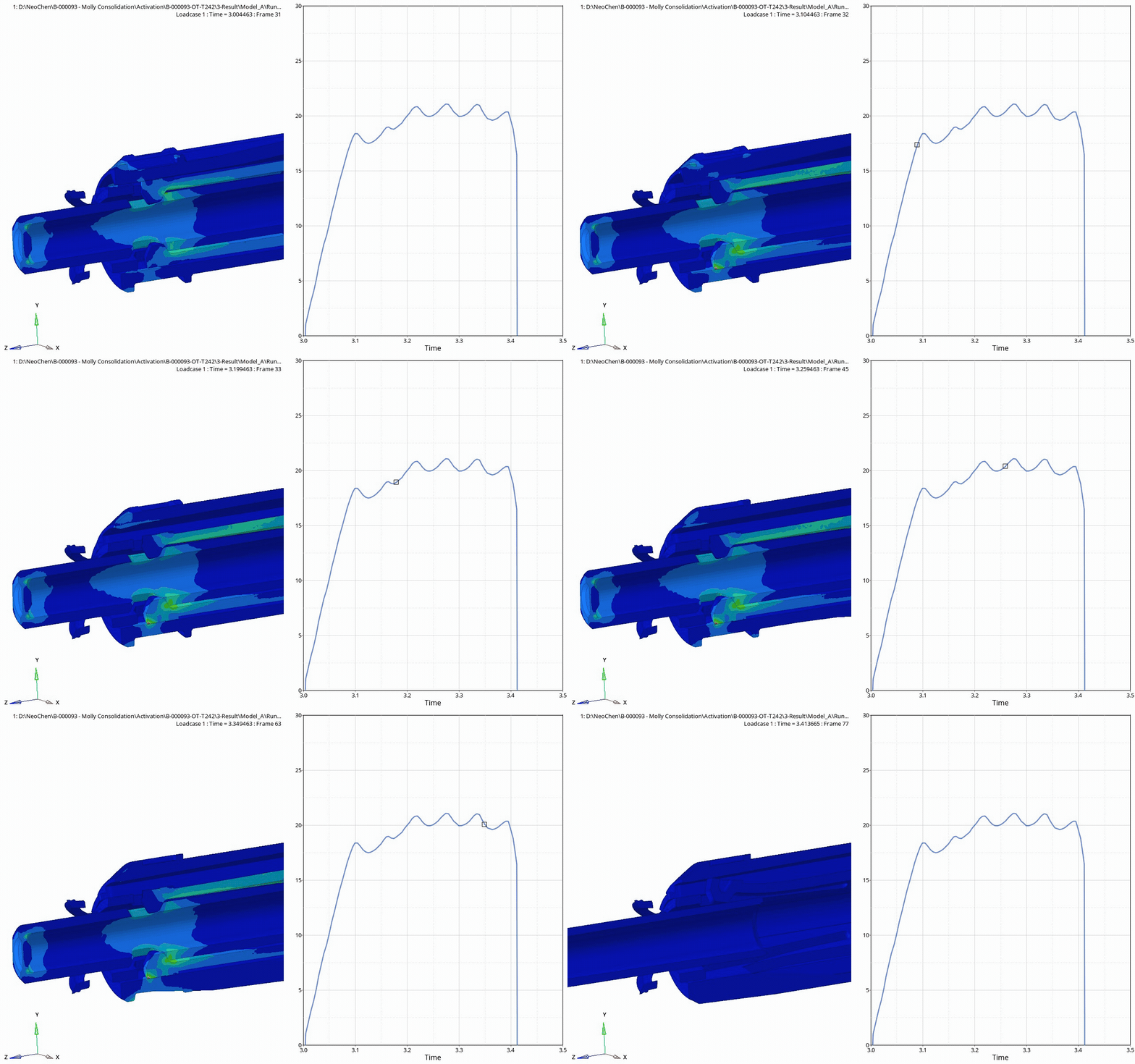 |
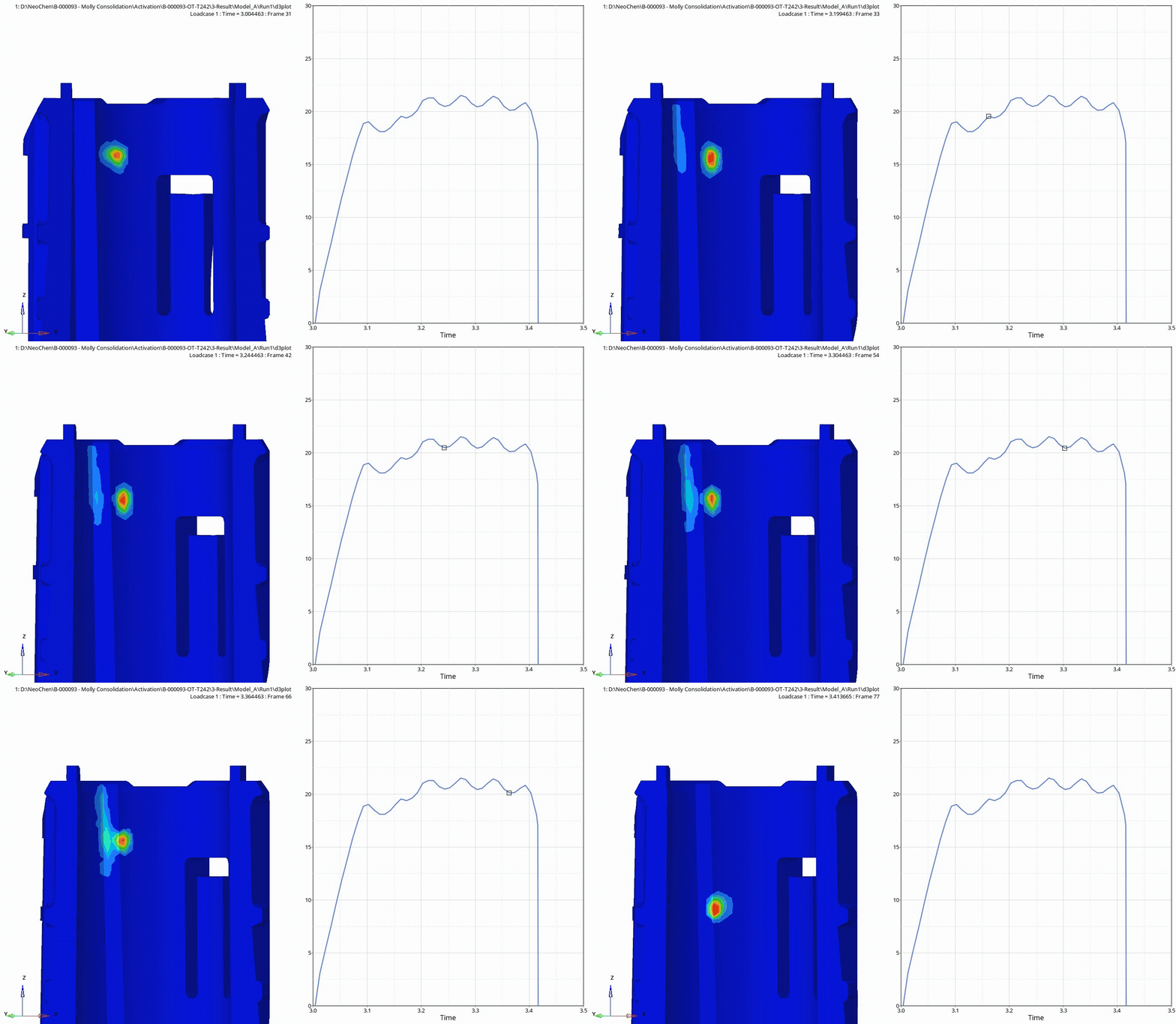
Figure 4: Finite element simulation can be used to predict product behavior, such as activation force, and check component stress levels, thereby lowering the risk of major late-stage product changes.
Realizing the full potential
Simulation creates the most value when it shifts risk mitigation earlier, reducing late-stage redesigns, rework, and testing. As adoption increases and capabilities mature, it can also help lower ongoing costs, such as validation failures, scrap, and material waste.
While many companies now claim simulation capabilities, fewer have the standards, cross-functional integration, documentation, training, and validation needed to realize the full potential of simulation. With the right foundation in place, simulation can support more verification decisions and, over time, may deliver results that are trusted to support, or in some cases complement, physical testing in regulatory submissions.
See how SHL Medical is building simulation as a validated capability to optimize our manufacturing network, and why this foundation matters for earlier, more confident development decisions.