Why material behavior matters in autoinjector development
September 15 2026
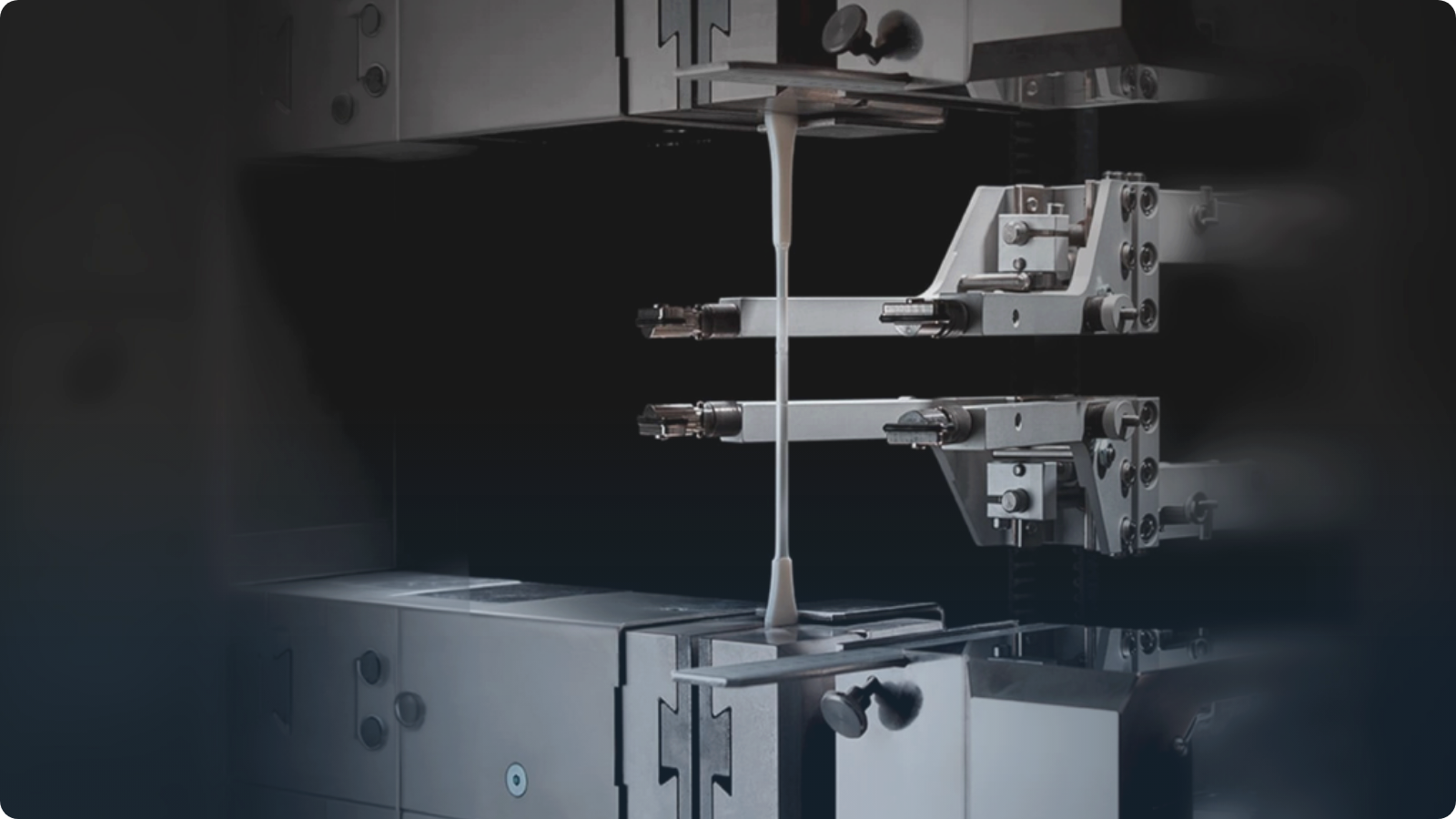
New materials and more widely available sustainable alternatives are expanding the options for medical device manufacturers. At the same time, supply chain disruption and geopolitical uncertainty are making selection more complex.
For manufacturers and their pharma partners, material choice affects more than cost and logistics. In autoinjector development, each material must also meet functional, manufacturing, shelf-life, biological safety, and regulatory requirements.
SHL Medical’s approach shows why looking beyond standard specifications can be important. By examining material behavior early, development teams can better understand how a material is likely to perform in a component, in the molding process, and in the finished drug delivery device.
Selecting materials fit for purpose
Material behavior describes how a material responds during processing and once it has been formed into a finished component. In a mechanical drug delivery device, such as an autoinjector, that response must support the component’s function during injection, assembly, and storage.
“The material needs to perform consistently and be able to be molded to tight tolerances,” says Alex Lin, Manager of Advanced Materials at SHL Medical.
Before evaluating candidates, the materials team considers each component’s role in the device. A spring-retaining part, for example, needs sufficient stiffness and creep resistance to avoid gradual deformation over the device’s shelf life. Friction and surface finish can also affect how consistently parts engage during automated assembly.
Existing device experience and supplier data provide a starting point, but selection still requires balancing performance, processability, cost, and availability. Where additional performance is unnecessary, Alex says the better choice may be a material that meets specifications with fewer production or supply constraints.
Sustainability is also increasingly shaping material selection, according to Alex. “For every material we select, we look for a certified, mass-balance drop-in so that a sustainable option is available,” he says.
|
|
Designing for sustainability SHL Medical’s Quanta pen highlights how material selection and device design can support sustainability goals. Designed for once-weekly cardiometabolic therapies, the multi-fixed-dose pen can carry four to six doses per device. Its use of bio-circular plastics, together with efficient packaging and logistics, is intended to reduce total material use and environmental impact across a treatment course compared with single-dose solutions.
|
|
Predicting part behavior before tooling
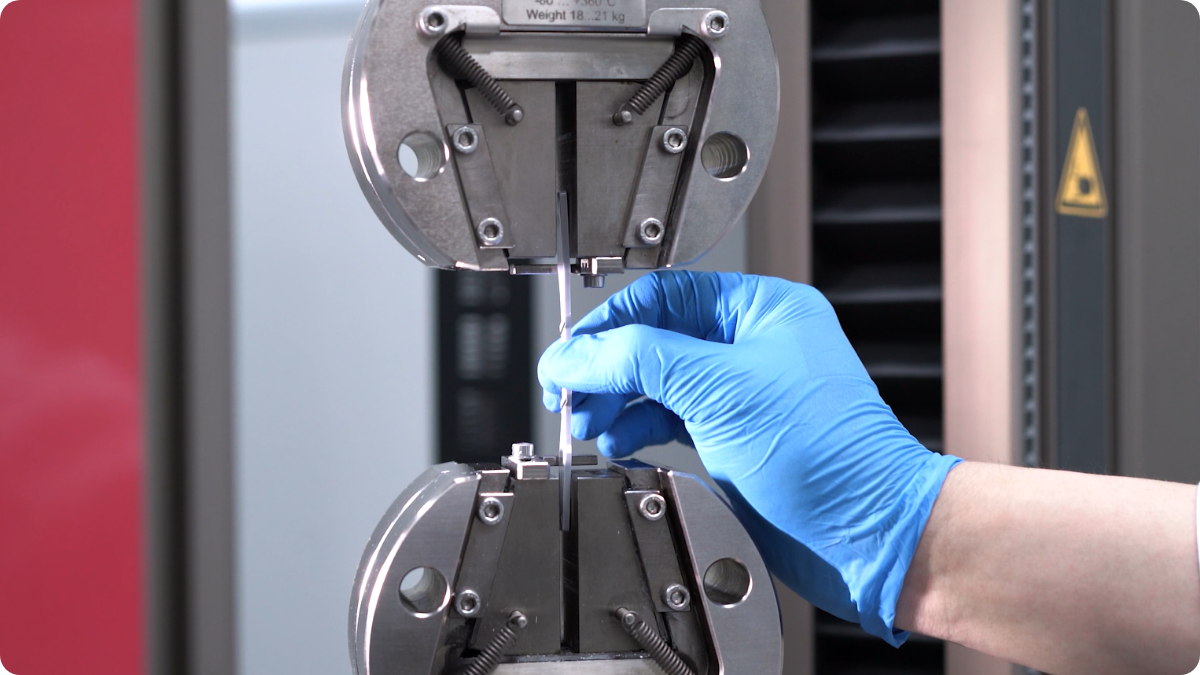
Supplier data sheets can screen materials for broad suitability, but they often cannot predict how a material will behave in a specific component, mold, or assembly. SHL Medical addresses this through its extensive in-house characterization of properties including strength, stiffness, creep, friction, shrinkage, viscosity, and thermal stability.
“We produce huge amounts of data, be it rheological data for molding or mechanical data for structural analysis,” says Blake Kuo, Senior Engineer (Team Leader) of SHL Medical’s Materials Innovation Lab.
For tensile-property evaluations under ISO 527-1, for instance, the company’s Materials Innovation Lab analyzes more than the required minimum of five specimens. This provides a broader statistical basis for assessing variation and potential material risks.
The simulation team then applies the resulting materials science data to assess mold filling, predict shrinkage and warpage, and identify potential mold design risks. This allows certain risks to be investigated before tooling is finalized.
From molding to production
Once molding begins, the materials team’s role shifts from characterizing expected behavior to investigating problems revealed by the actual part and process. When a component shows burn marks, discoloration, or unexpected deposits, the team can analyze the anomaly with molding engineers and suppliers.
The analysis may trace the problem to processing conditions or material additives rather than to the material itself, potentially avoiding an unnecessary material change. For issues that emerge only after assembly, root cause investigations can be expanded to evaluate additional properties relevant to how the assembled parts interact.
This problem-solving role continues as the device moves into production.
“The materials team solves a lot of unique problems that call for its particular knowledge and capabilities,” Blake says. He cites examples such as peeling or worn metal surfaces, unexpected substances emerging from production equipment, and possible material effects from storage outside the specified temperature range.
Connecting material decisions with biocompatibility
Material decisions also require biological safety evidence demonstrating that direct contact or indirect exposure poses no unacceptable risk.
The depth of evaluation depends on contact type and risk, explains SHL Medical Senior Biocompatibility Engineer Winnie Wu.
Existing evidence may be sufficient for a skin-contacting component with an established history of use, she says. By contrast, components associated with internal tissue contact or indirect exposure to blood can require additional supporting data from an extractables study to facilitate biocompatibility evaluation.
When a new material is proposed, SHL Medical first checks supplier information against applicable material requirements. The team then considers intended use, literature evidence, and whether screening experiments are required.
“We evaluate our devices in-house and maintain a database across our medical-device portfolio, which allows us to avoid unnecessary additional testing where the existing evidence is sufficient,” Winnie says.
SHL Medical conducts the biological evaluation internally and coordinates any required testing as part of the process. The resulting evaluation report forms part of the technical documentation supporting the customer’s regulatory submission. The company reassesses the evidence when relevant requirements change or when device changes could affect biological safety.

Earlier evidence, more predictable execution
By examining how candidate materials behave before and during development, SHL Medical can identify where assumptions are sound and where additional analysis is needed.
This evidence provides a stronger basis for decisions as the program advances through industrialization and regulatory submission. For pharma partners, earlier material evidence reduces the risk of late surprises and supports a more predictable path to a safe, manufacturable device.
To see how these material decisions fit into the broader device, explore the fundamentals of autoinjector design, components, and operation.
SHL Medical, Quanta, and other SHL Medical names, logos, and product names referenced herein are registered and/or non-registered trademarks of SHL Medical AG or its affiliates.