The portfolio experience behind faster, more predictable drug delivery device development
August 12 2026
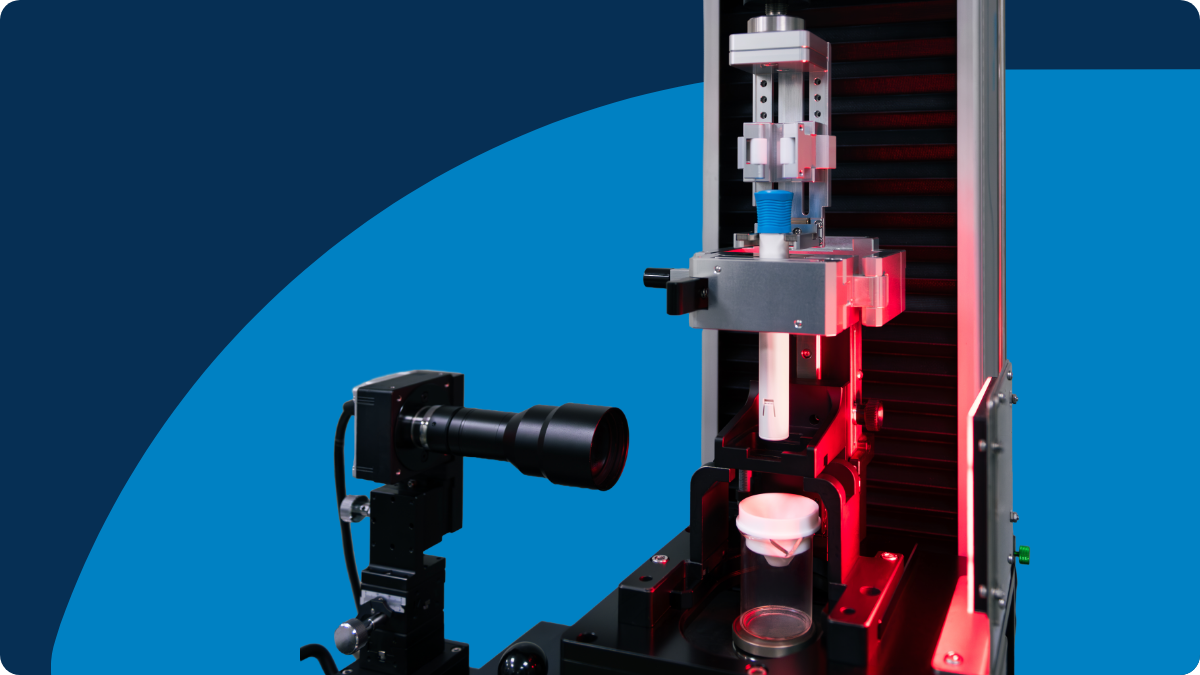
As more complex therapies are adapted for self-administration, drug delivery device development must support a growing range of delivery formats and technical requirements under continued pressure for speed and predictability. Changes in factors such as formulation viscosity or primary container choice can affect multiple parts of a device design. The challenge is therefore to understand these interactions, identify the most significant design risks, and make confident decisions earlier.
This is where portfolio experience becomes invaluable.
Portfolio experience and device platforms
Through decades of work across injection formats, SHL Medical has built a broad base of development expertise that helps teams reduce uncertainty before design freeze and industrialization. Its portfolio spans an extensive range of injection formats and delivery needs, including syringe-based autoinjectors, cartridge-based systems, micro dosing device, multi-dose delivery, and other specialty solutions.

For pharma partners, this provides access to established device platforms and development pathways. But the broader value lies in how this experience shapes its approach to developing new product platforms.
“Design engineering is where we turn product concepts and requirements into functional, manufacturable device designs,” says Christoph Egloff, SHL Medical’s Head of New Product Development.
This begins with understanding user needs, device function, and the technical boundaries that will shape the final design.
“In new product development, we take user needs and translate them into a design that integrates user interface requirements with function, manufacturability, and assembly,” Christoph explains. “To accomplish this, we draw on SHL Medical’s vertically integrated capabilities across design, engineering, testing, and manufacturing.”
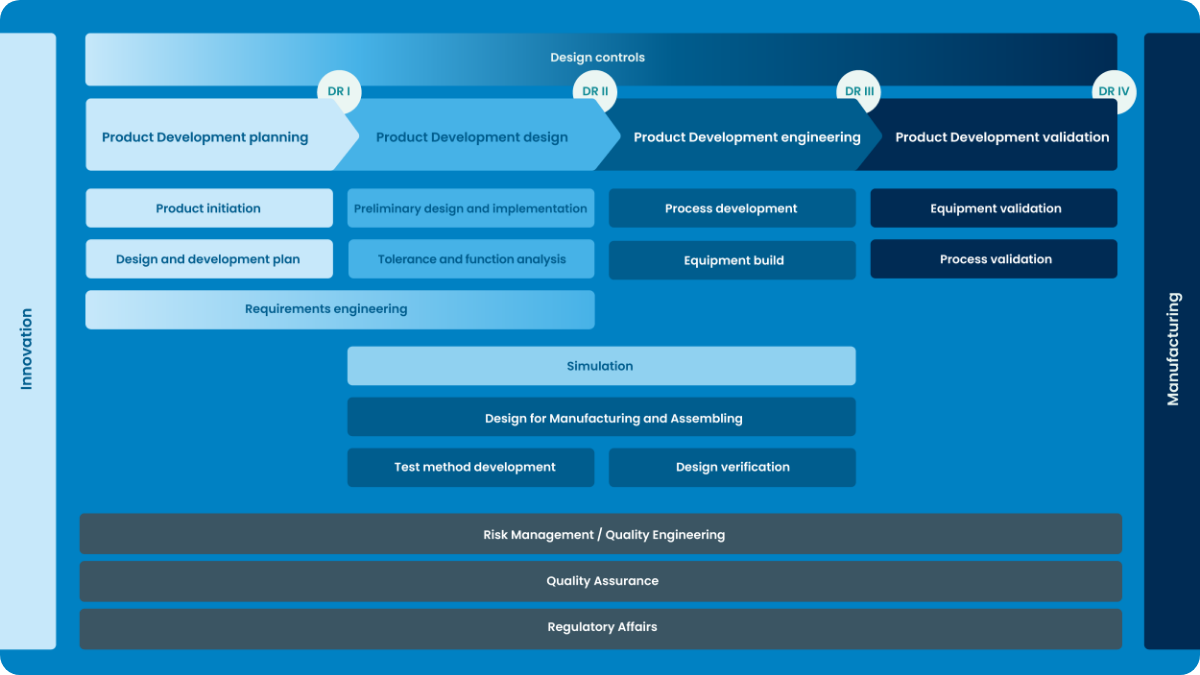
Across SHL Medical’s portfolio, these programs do more than expand the company’s device offerings. Each one generates further knowledge that can be applied to future injection device development.
Data as the foundation for better decisions
This broad portfolio experience means SHL Medical does not need to approach every new project from a blank page. Each program adds to the company’s understanding of mechanics, materials, usability, primary container integration, testing, and manufacturability.
This accumulated development data helps teams evaluate options earlier and identify which questions may be informed by previous work, which assumptions need to be confirmed, and which areas require fresh investigation.
For primary container integration, for example, Christoph notes that SHL Medical has worked with and characterized “almost every type of primary container configuration.” This now allows teams to use previous characterization work as an input when similar technical questions arise in new development programs.
Portfolio knowledge does not remove the need for project-specific work and testing. It can, however, reduce the need to rediscover what previous programs have already demonstrated.
From portfolio data to execution
The value of prior data becomes particularly clear as a project moves into detailed design. At this stage, teams must translate product requirements into decisions about forces, materials, tolerances, testing, and manufacturability.
Better inputs can speed up these decisions and clarify which risks still need further investigation.
Viscosity provides a clear example. A device may be able to expel a liquid within 10 seconds at one viscosity. If the same injection time is required for a higher-viscosity formulation, the design team may need to reassess spring force, component loads, and robustness requirements.
Even when the device looks and feels similar, Christoph explains that “the method of development remains the same,” but teams must still “calculate and simulate according to the things that vary.”
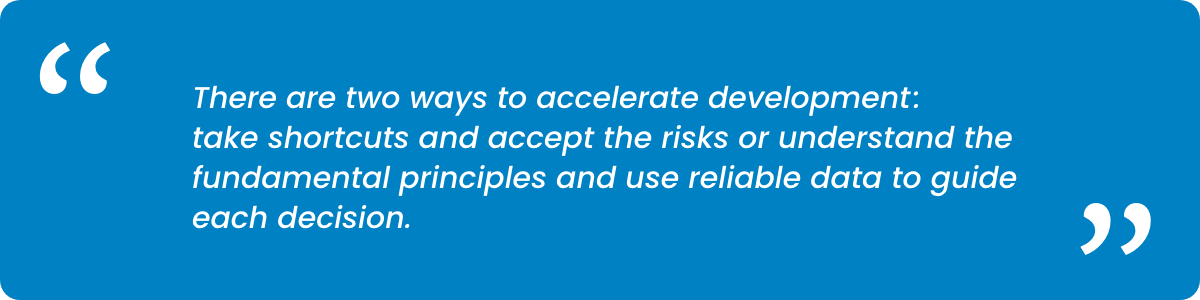
“There are generally two ways of accelerating development,” Christoph says. “One is taking shortcuts and risks. The other is understanding the basic principles, such as the physics, and having a database that can be sourced as a development input.”
Once the main uncertainties have been narrowed down, prototyping and rapid tooling can support more targeted learning and de-risking.
Testing as part of the device development process
Testing is central to converting portfolio experience into actionable development knowledge. For SHL Medical, the advantage comes not only from testing early but also from drawing on years of results across related device families, materials, mechanisms, primary containers, and delivery requirements.
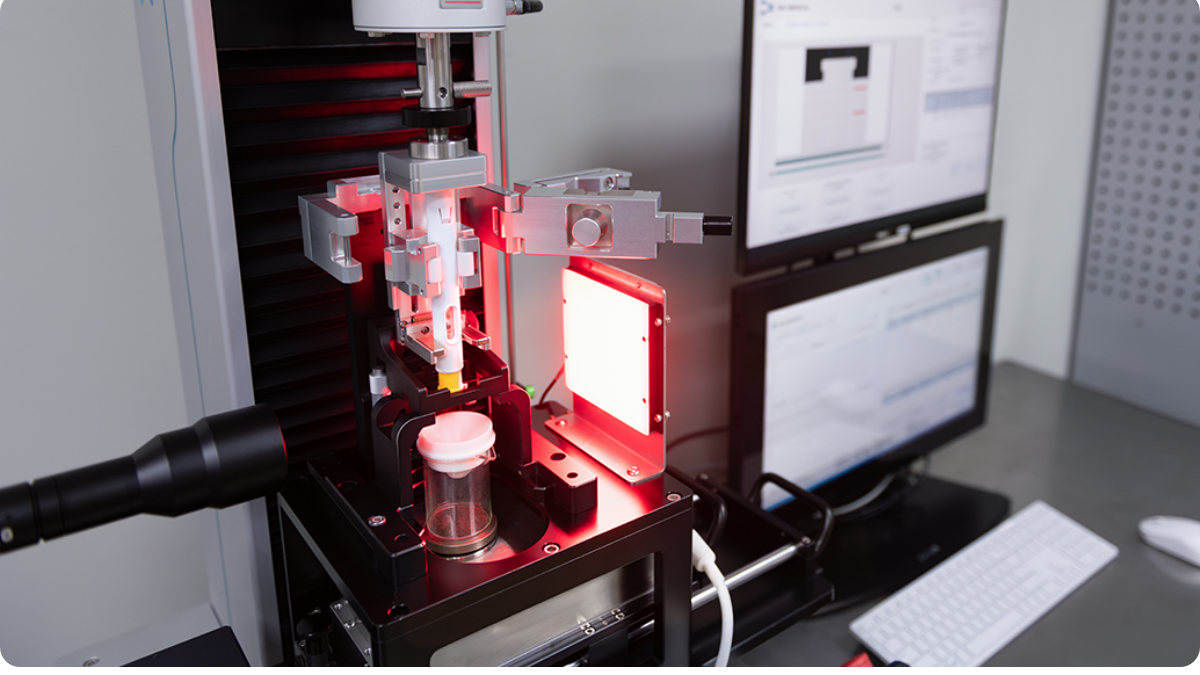
As Ainara Irastorza Landa, SHL Medical’s Head of Testing, explains, this accumulated knowledge allows teams to begin from informed baselines rather than assumptions. Established test methods and setups can be reused or adapted, while previous results can help define realistic performance expectations and focus testing on what is genuinely new or uncertain.
“In early device development, the most valuable testing is the kind that helps us truly understand how the device works and what drives its performance,” Ainara says. “It is not just about confirming that requirements or specifications are met.”
This makes testing part of the design process itself.
Early feasibility and proof-of-concept testing can confirm whether a concept works in practice, identify major technical risks, and help define the design space. This includes clarifying both where a device performs reliably and where it may begin to approach its limits.
According to Ainara, this is also why testing at SHL Medical is not treated as a downstream “test-on-request” activity, but as an active partner in design and development.
Combined with materials-science and simulation expertise, this testing-led approach helps SHL Medical accelerate learning, reduce uncertainty, and make stronger design decisions earlier.
Supporting more predictable drug delivery device development
As delivery needs continue to evolve, faster development will depend on more than making decisions quickly. Teams must also have confidence in those decisions, supported by relevant data, strong materials-science expertise, and an understanding of how existing knowledge can be applied to new technical challenges.
For SHL Medical, portfolio experience provides that foundation. It helps teams make better decisions earlier, reduce uncertainty, and support a more predictable path from early design work through industrialization.
Explore the breadth of device expertise behind SHL Medical’s portfolio, bespoke solutions, and future drug delivery concepts.